Two-Coat vs Three-Coat Paint Systems: When the Extra Coat Matters
Skipping a coat to save time is the most common reason a paint job fails early. Here is when two coats is enough and when the third coat is non-negotiable.
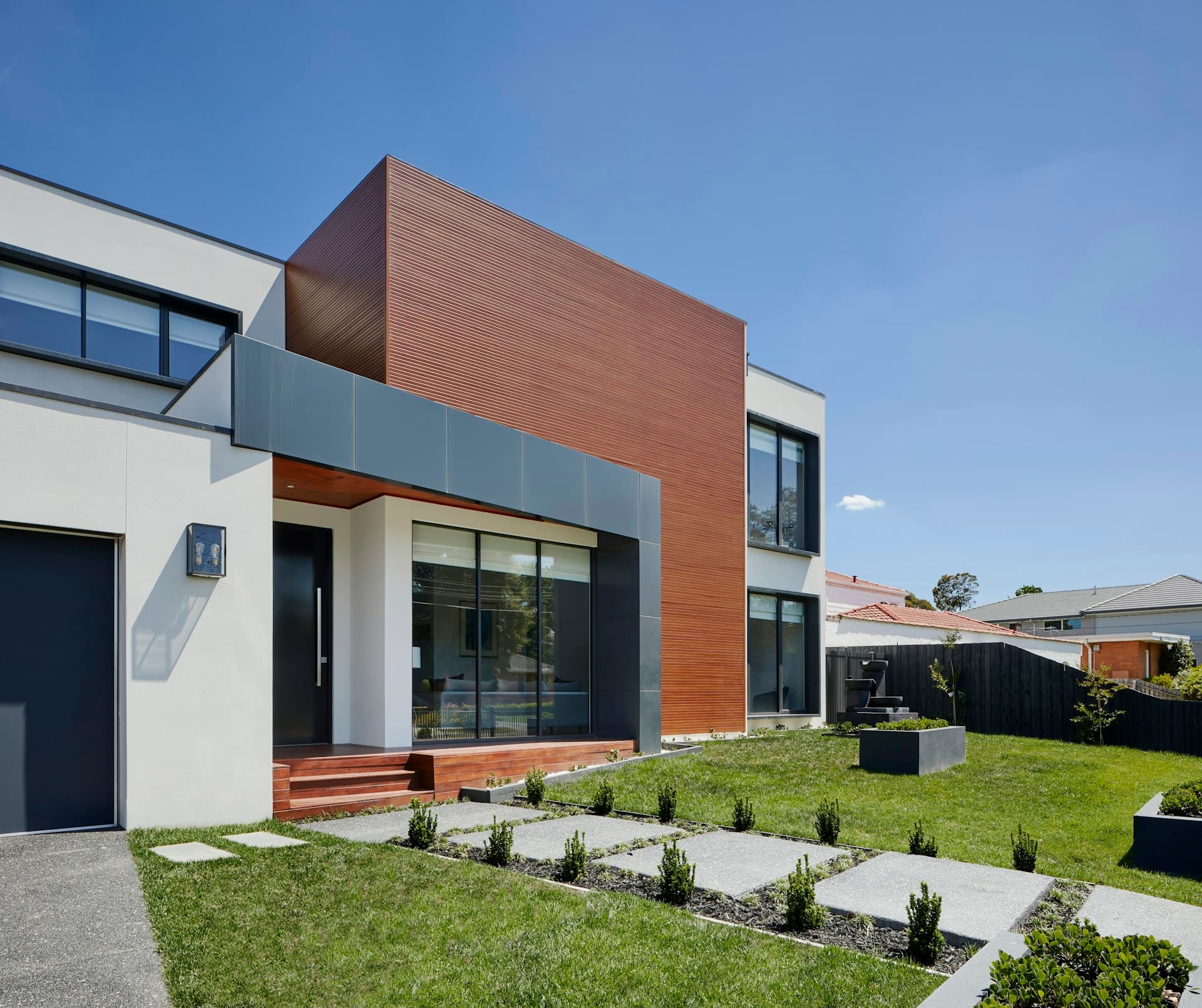
Coat count is one of the quietest decisions on a painting project and one of the most important. Almost every painting estimate names a number — two coats is the most common — and that number determines how much product is going on the surface, how the finish will read in real light, and how long the job will actually last. Whether two coats is enough or whether a third coat is required is not a one-size answer. It depends on the substrate, the previous color, the new color, the product, and the conditions the surface will live with after the project is done.
The first variable is the substrate itself. A previously painted wall that is in good shape, with no significant repairs, no color change beyond a couple of shades, and no porosity issues, can usually be coated successfully in two finish coats over a clean surface. A wall with bare drywall, fresh patches, raw wood trim, or stained spots almost always needs a primer first, which functionally makes the system a three-coat application — primer, finish coat one, finish coat two — even though only two of those coats are the topcoat itself.
Color change is the second variable and the one homeowners underestimate the most. Going from a light color to a slightly darker light color is straightforward in two coats. Going from a deep color to a light color, or vice versa, almost never finishes properly in two coats. The previous color shows through, especially in raking light, and the new color reads patchy or weak. A tinted primer or a third coat is what makes a major color change actually look like the color sample. Skipping that step is the most common cause of clients feeling the new color does not look right after the job is done.
Sheen difference also affects coat count. Painting over a high-sheen surface — semi-gloss trim, an old enamel, a previously oil-coated surface — usually requires either a bonding primer or extra coats to get the new finish to adhere and level properly. Glossy surfaces resist new paint at a chemical level, and trying to power through with extra coats of the same product rarely solves the underlying adhesion issue. A primer designed for glossy surfaces is almost always the right call.
Product choice changes the math too. High-hide, premium-tier paints cover more in fewer coats than budget-tier paints do. A two-coat application of a quality 100% acrylic product often outperforms a three-coat application of a builder-grade product on the same surface. Trying to save money on the paint and then making up for it with extra coats almost always costs more in labor than the better paint would have cost in materials.
Exterior paint is where coat count matters most for durability. Two coats of a quality exterior paint over a properly prepped and primed surface is the standard for residential repaints in most climates. In high-exposure climates — strong sun, heavy humidity, salt air, or significant temperature swings — a third coat on south and west-facing walls extends the life of the finish meaningfully. The cost of the third coat is much lower than the cost of repainting those walls a year or two earlier than the rest of the home.
Cabinet and trim work is the area where coat count is genuinely non-negotiable in three or even four coats. A factory-quality cabinet refinish typically involves a bonding primer, two finish coats sprayed with full cure time between each, and sometimes a clear topcoat for additional protection. Anyone offering cabinet painting in two coats is offering a finish that will not look or perform like a real cabinet refinish, regardless of how nice the color looks at the end of the day.
When clients hear a contractor recommend three coats over two, the right question is not whether the third coat is necessary — it is whether the surface, color change, sheen, and product all justify it. A serious contractor will be able to explain the specific reason in plain language. If the answer is vague, the third coat may be unnecessary. If the answer is specific and substrate-based, the third coat is almost always the right call and skipping it shortens the life of the entire project.
Need a painting estimate?
A&I Painting helps Arizona homes and businesses with interior painting, exterior painting, epoxy flooring, and cabinet refinishing.