Repainting a Rental Between Tenants: How Landlords Get a Durable Turnover Without Overspending
A turnover repaint has to look fresh, survive the next tenant, and not eat the deposit margin. Here is how to scope finishes, colors, and prep so a rental repaint pays off.
Repainting a rental between tenants is a different problem than painting a home you live in. The goal is not a showpiece; it is a clean, neutral, durable result that photographs well for the listing, survives the wear of the next tenant, and gets the unit back on the market quickly without spending more than the turnover can justify. The two ways landlords lose money here are opposite mistakes: overspending on premium finishes and bold colors that will need redoing anyway, or underspending on cheap paint and skipped prep that forces a full repaint after a single tenant. The sweet spot is a deliberate scope built around durability and repeatability.
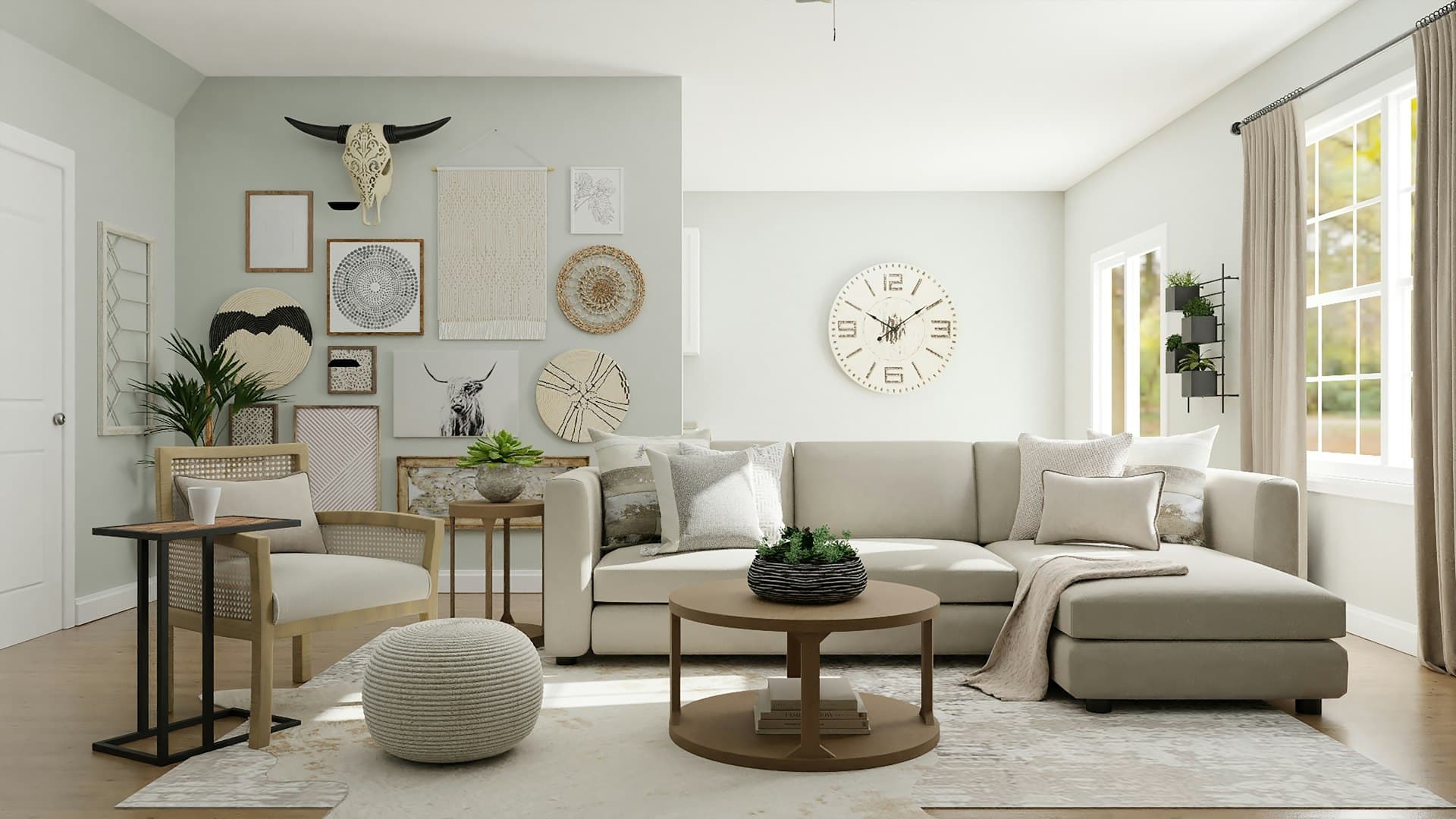
The single most valuable decision is committing to one neutral palette across the whole portfolio, or at least across the unit. A warm white or soft greige on the walls, a clean white on the trim and doors, and the same colors used in every unit turns painting into a repeatable system. The landlord can keep records of the exact colors and sheens, touch-ups always match, and a future turnover may only need spot repair rather than a full repaint. Neutral also rents better — it lets prospective tenants picture their own furniture and reads as clean and move-in ready in listing photos, which matters more for filling the unit than any accent wall ever will.
Finish sheen is where durability is dialed in, and rentals call for a different answer than owner-occupied homes. Flat paint hides wall imperfections but cannot be scrubbed, so scuffs and marks become permanent and force a repaint sooner. For rental walls, an eggshell or satin finish is the workhorse: it resists marks, wipes clean when the next tenant moves in, and still hides minor surface flaws reasonably well. Trim, doors, and any high-touch woodwork should step up to semi-gloss, which takes hand contact, cleans easily, and holds up to the bumps of furniture moving in and out. Kitchens and bathrooms benefit from satin or semi-gloss on the walls too, for moisture and cleanability.
Paint quality is not the place to bottom out, but it is also not the place to splurge on the most premium designer line. A solid mid-grade to upper-mid-grade interior paint with good scrubbability and one-coat-ready coverage hits the right balance. The cheapest contractor-grade paints often need extra coats to cover, scuff easily, and cannot survive a cleaning, which erases their savings within a tenant or two. A reliable washable mid-grade product applied properly will take cleaning between tenants and stretch the interval between full repaints, which is where the real money is saved over the life of the unit.
Scope is the lever that controls cost without sacrificing the result, and it starts with an honest walk-through. Not every wall needs a full coat every time. A unit with clean, undamaged walls in the established neutral may only need a thorough cleaning, patching, and targeted touch-ups, while a unit with smoke staining, crayon, heavy scuffing, or a tenant's bold accent color needs full coverage and possibly a stain-blocking primer. Deciding wall by wall and room by room — full coat where it is warranted, spot work where it is not — is how a turnover stays efficient. Ceilings often survive multiple tenancies and only need attention when stained or visibly dingy.
Prep still cannot be skipped just because it is a rental, because skipped prep is what turns a one-tenant paint job into a recurring expense. Filling nail holes and anchor holes, patching the inevitable dings, caulking gaps that have opened up, and cleaning grease and grime off kitchen and bathroom walls are the steps that let the new paint actually bond and look clean. Stain-blocking primer on water marks, smoke residue, or marker is non-negotiable, because those bleed straight through fresh paint and reappear within days, guaranteeing a callback. The prep is cheap relative to repainting the same surface twice.
In Arizona there are a couple of turnover-specific notes worth building into the scope. Vacant units sit closed up and can hold heat, so scheduling the work with the cooling on and allowing proper dry and cure time between coats avoids the tackiness and slow curing that high indoor temperatures cause. Low-VOC paint is also worth specifying for a quick turnover, because in a sealed-up unit it clears the air faster and gets the property genuinely move-in ready and showable sooner, rather than greeting a prospective tenant with a strong paint smell at the open house.
Put together, the cost-effective turnover repaint is a system rather than a one-off project: a fixed neutral palette reused across the unit, eggshell or satin on walls and semi-gloss on trim, a reliable washable mid-grade paint, prep that is never skipped, and a scope decided wall by wall so money goes only where wear actually demands it. A landlord who paints this way gets a unit that shows clean, rents faster, survives the next tenant's daily life, and needs nothing more than spot touch-ups at the following turnover — which is exactly how a repaint stops being a recurring drain and starts protecting the value of the property.
Need a painting estimate?
A&I Painting helps Arizona homes and businesses with interior painting, exterior painting, epoxy flooring, and cabinet refinishing.