Pressure Washing Before Painting: Why It Matters More Than You Think
Paint will only stick as well as the surface underneath. Pressure washing removes what blocks adhesion and makes the finish last much longer.
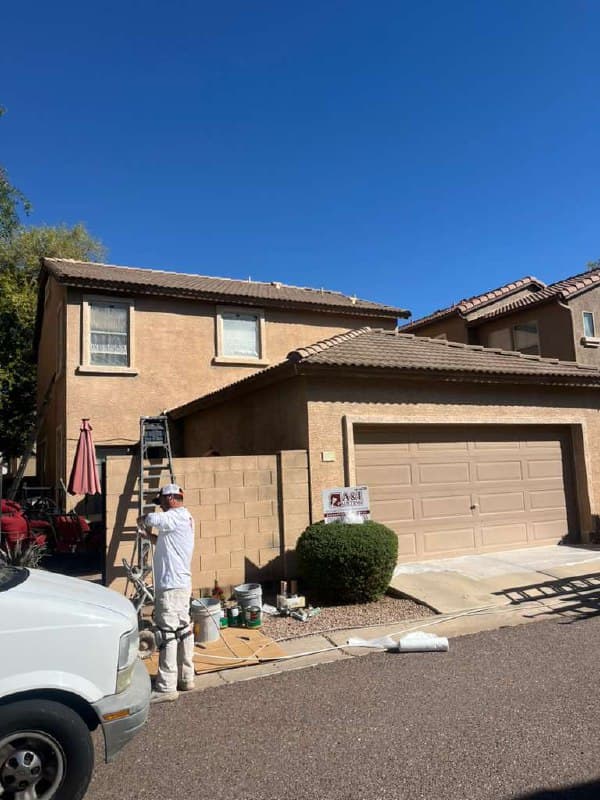
Exterior paint does not stick to dirt. It does not stick to chalky residue, mildew, dust, or loose surface buildup either. That is why pressure washing before painting is not an optional step — it is what makes the rest of the work hold up.
A house exterior that has not been cleaned in several years carries a thin layer of chalked paint, pollen, dust, and mildew that the eye cannot always see. New paint applied over that layer looks fine for a few months, then starts peeling, flashing, or flaking in patches as the contaminants underneath slowly release. Pressure washing removes that layer so the new coating actually bonds to the surface it is supposed to protect.
Technique matters. Too much pressure can damage stucco, siding, trim, and older wood. A proper exterior wash uses the right pressure level, the right nozzle distance, and appropriate cleaning solutions for mildew or heavy staining. That balance removes buildup without scarring the material underneath.
After washing, the surface needs time to dry fully before any paint goes on. Skipping that drying step traps moisture behind the finish, which is one of the fastest ways to ruin an otherwise good exterior paint job. A professional crew plans the wash, the dry time, and the paint application as one connected sequence.
Need a painting estimate?
A&I Painting helps Arizona homes and businesses with interior painting, exterior painting, epoxy flooring, and cabinet refinishing.