Painting a Covered Patio or Ramada Ceiling So It Handles Desert Heat and Monsoon Weather
A patio or ramada ceiling is exposed to blistering heat, blowing dust, and monsoon humidity all at once. Here is how to prep and paint an outdoor covered ceiling in Arizona so it stays clean and the finish doesn't peel or stain.
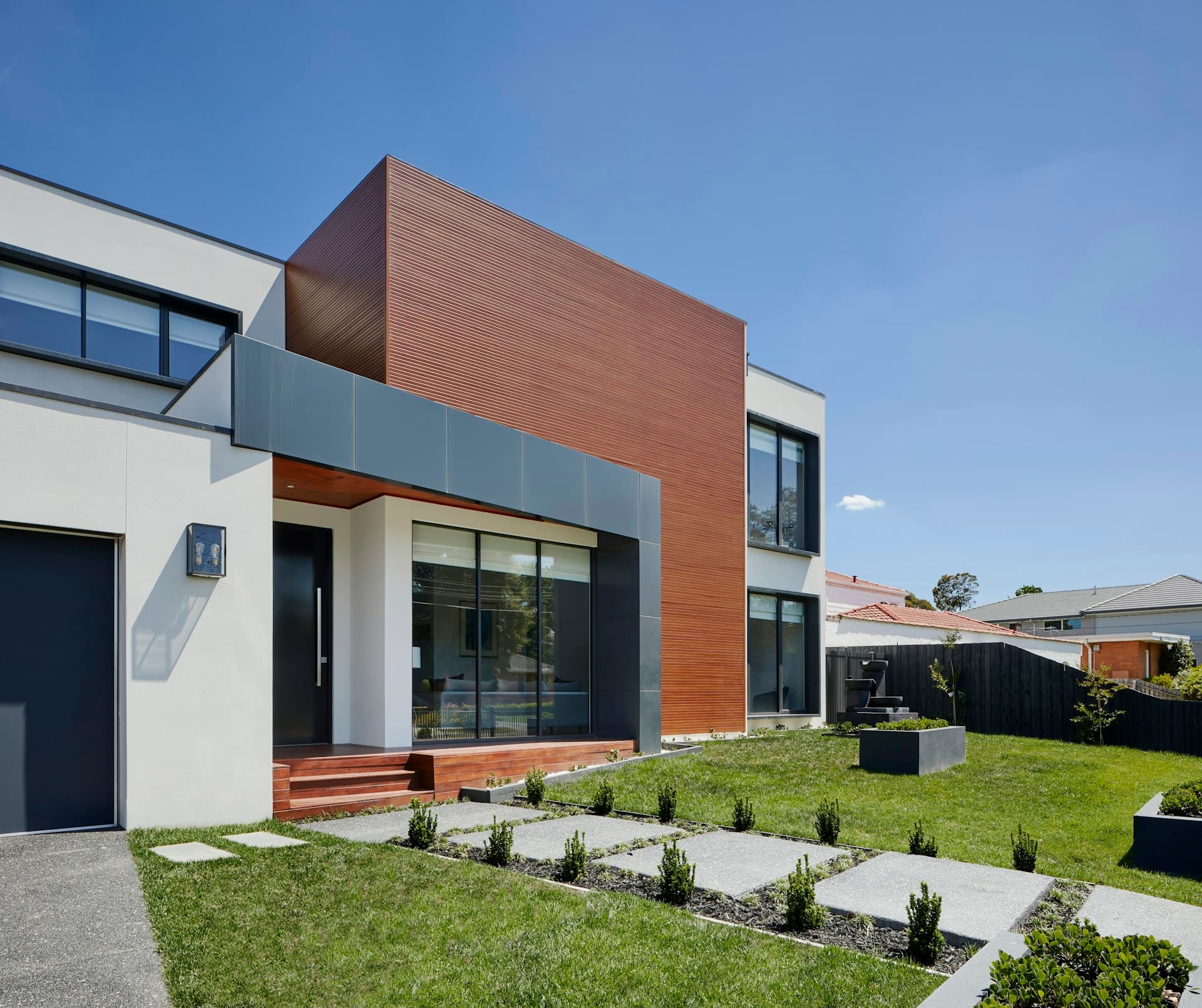
The covered patio is the heart of outdoor living in Arizona, and its ceiling is the part people overlook until it starts looking tired. A patio, porch, or ramada ceiling sits in an odd middle zone — shaded from the direct overhead sun but fully exposed to the outdoor environment: the radiant heat that builds under a roof, the blowing dust that coats everything in the dry months, the humidity and wind-driven rain of the monsoon, and the temperature swings of the desert. Painted well, an outdoor ceiling finishes a patio and makes it feel like a real room; painted with the wrong products or prep, it stains, peels, and drags the whole space down. It is a specific job worth doing right.
The first rule is that this is exterior work, even though the ceiling is under cover. The temptation is to treat a shaded outdoor ceiling like an interior one and reach for interior paint, but a covered ceiling still faces outdoor humidity, temperature swings, dust, and wind-driven moisture during storms, and interior paint is not built for any of it. A quality exterior paint — formulated for UV, moisture, and temperature cycling — is what a patio or ramada ceiling needs to stay sound. Using exterior-grade product is the single most important choice separating a finish that lasts from one that flakes and stains within a season or two.
The material of the ceiling drives the prep and the primer, because patio ceilings come in several forms. Many are stucco or a stucco-like plaster, which needs the same treatment as an exterior stucco wall — cracks sealed, a masonry-appropriate approach, and a coating that flexes with the surface. Others are wood tongue-and-groove or beadboard, which needs the wood sealed and primed, with attention to any bare or weathered spots and a stain-blocking primer where the wood is prone to bleeding. Some are metal or have exposed beams that want the right primer for their surface. Identifying the substrate and priming it correctly is what gives the topcoat a base it can actually hold to outdoors.
Dust is the quiet enemy of any patio-ceiling paint job in the desert, and it makes cleaning the surface non-negotiable. Arizona's dry months coat every outdoor surface in a fine layer of dust, and a shaded ceiling collects it without rain to wash it off. Paint will not bond over that dusty film — it grips the loose dust instead of the surface and lets go. The ceiling has to be thoroughly cleaned, blown and washed free of dust, cobwebs, and any chalking from an old coating, and allowed to dry before priming. On a ceiling especially, where working overhead makes prep tedious, the temptation to skip the cleaning is exactly what causes the early peeling.
Color and light are worth a thought on a patio ceiling, because it is usually in shade and can go dark and cave-like. A lighter ceiling color reflects what light reaches the space and keeps a covered patio feeling open and bright rather than gloomy, which is why light neutrals and soft whites are the common choice overhead. Some homeowners take the regional cue of a soft blue ceiling on a porch or patio, which reads bright and pleasant and has a long tradition on covered outdoor ceilings. Either way, a lighter, brighter ceiling color makes the shaded space feel larger and more inviting, and it hides the dust between cleanings less obviously than a dark one would show it.
The monsoon adds the moisture and staining risk that makes a good exterior coating pay off. During the summer storms, wind drives rain and humidity up under the patio roof, and a ceiling that is not sealed with a moisture-resistant exterior finish can stain, especially around any spots where roof water gets in. Any existing water stains have to be sealed with a stain-blocking primer before painting, or they will bleed through the fresh coat. And if the ceiling is staining because roof or flashing water is actually reaching it, that leak has to be fixed first — no ceiling paint survives water coming through from above during every monsoon.
Timing the work carries the same desert discipline as any exterior job, with the ergonomics of working overhead added in. The ceiling and the air trapped under a patio roof get hot in summer, so the cooler parts of the day are the workable window, and the monsoon's rain and humidity mean the job watches the weather to give each coat a dry stretch to cure. Working overhead is slow and physical, so planning the job in sections and starting early — before the afternoon heat builds under the roof and before the storms roll in — keeps both the painter and the coating in good conditions. Two full coats of the exterior finish build the durability the space needs.
Pulled together, painting a covered patio or ramada ceiling in Arizona means treating it as exterior work with quality exterior paint, identifying and priming the specific substrate — stucco, wood, or metal — cleaning the desert dust off so the coating can bond, sealing any water stains and fixing any actual leaks, choosing a lighter color to keep the shaded space bright, and timing the job around the heat and the monsoon. Done that way, the ceiling of an outdoor room becomes a clean, finished, lasting surface that stands up to everything the desert throws under the patio roof — instead of the stained, peeling ceiling that a quick indoor-paint job leaves behind by the next summer.
Need a painting estimate?
A&I Painting helps Arizona homes and businesses with interior painting, exterior painting, epoxy flooring, and cabinet refinishing.