Painting an Accent Wall the Right Way: Where the Eye Actually Lands
An accent wall in the wrong spot makes a room feel disjointed. Here is how to pick the wall and the color so the result looks designed, not random.
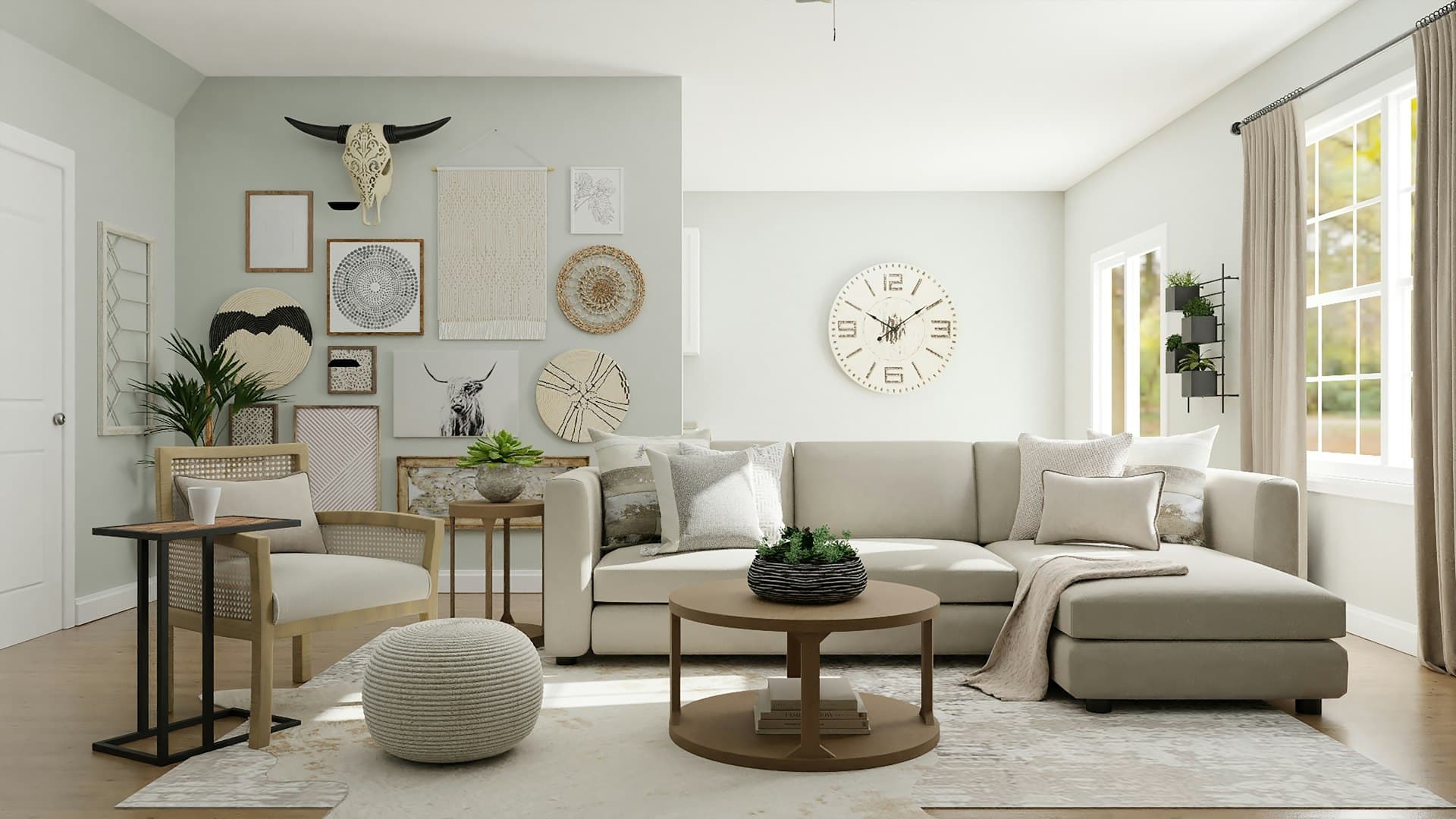
Accent walls are one of the simplest interior painting upgrades and one of the most commonly executed badly. The idea is straightforward — pick one wall in a room, paint it a different color from the other three, and create a visual focal point that makes the space feel more designed. The execution is where most accent walls go wrong. The wall picked is the wrong one. The color picked fights the room rather than supporting it. The finish on the accent wall does not match the finish on the others. By the time the project is done, the room feels disjointed rather than intentional, and the homeowner usually ends up repainting within a year.
The first principle of accent wall painting is that the wall has to already be the wall the room is built around. Every room has one — the wall behind the bed in a bedroom, the wall behind the couch in a living room, the wall behind the TV or fireplace in a den, the wall with the major window in a dining room. That is the wall the eye naturally lands on when someone walks in, and that is the wall an accent color reinforces correctly. Picking any other wall because it seems like it would be fun to highlight almost always works against the room's existing structure.
The second principle is that the accent color has to relate to the rest of the palette, not stand apart from it. A successful accent wall feels like a deeper, more saturated version of the same family of colors that runs through the rest of the room — or like a deliberate complement, not a contrast that surprises. A soft warm white room can accent beautifully with a deep warm earth tone, a muted navy, or a saturated sage. The same room paired with a bright unrelated color usually feels jarring no matter how good the bright color is on its own.
Color undertone matters more than the headline color. A warm-toned room with cool gray accent wall fights itself in real lighting. A cool-toned room with a warm clay accent wall does the same thing. Matching undertones across the room — even when the colors themselves contrast in lightness or saturation — is what keeps the room feeling cohesive. A small test patch on the accent wall, viewed at different times of day, reveals undertone clashes that a swatch in the store completely hides.
Sheen on the accent wall should match the sheen on the other walls. Painting three walls in eggshell and the accent wall in satin produces a sheen difference that catches light unevenly and reads as a mistake even when the colors are right. The consistency of sheen across the room is what keeps the accent wall feeling like part of the same plan as everything else.
Trim and ceiling color around an accent wall stays the same as the rest of the room. The trim color does not change when it meets the accent wall, and the ceiling color does not shift to match. Keeping those elements consistent is what frames the accent wall as a deliberate feature instead of an isolated experiment.
Furniture placement against the accent wall is part of the design. An accent wall behind a low-profile bed reads differently than the same wall behind a tall headboard. An accent wall behind a couch with deep cushions reads differently than the same wall behind a low-slung modern sofa. The furniture that sits against the wall changes how much of the color is visible and how the color reads against the textures in front of it. Picking the accent color with the existing furniture in mind, rather than in isolation, produces a far more cohesive result.
Lighting against the accent wall is the final factor. A wall lit by a south-facing window reads warmer than the same wall lit by a north-facing window. A wall behind a TV gets indirect light most of the day and direct artificial light at night. Considering how the wall will actually be lit at the times the room is used most is what makes the accent color work in real conditions, not just on the sample card. Done with all of these decisions aligned, an accent wall stops feeling like a paint trick and starts feeling like the room was always supposed to look this way.
Need a painting estimate?
A&I Painting helps Arizona homes and businesses with interior painting, exterior painting, epoxy flooring, and cabinet refinishing.