Painting an Accent Wall in a Tempe Home: Where It Works and Where It Backfires
An accent wall is the cheapest way to give a room personality, but the wrong wall or the wrong color can make a space feel smaller and busier instead of better. Here is how to choose the right wall and shade in a Tempe home.
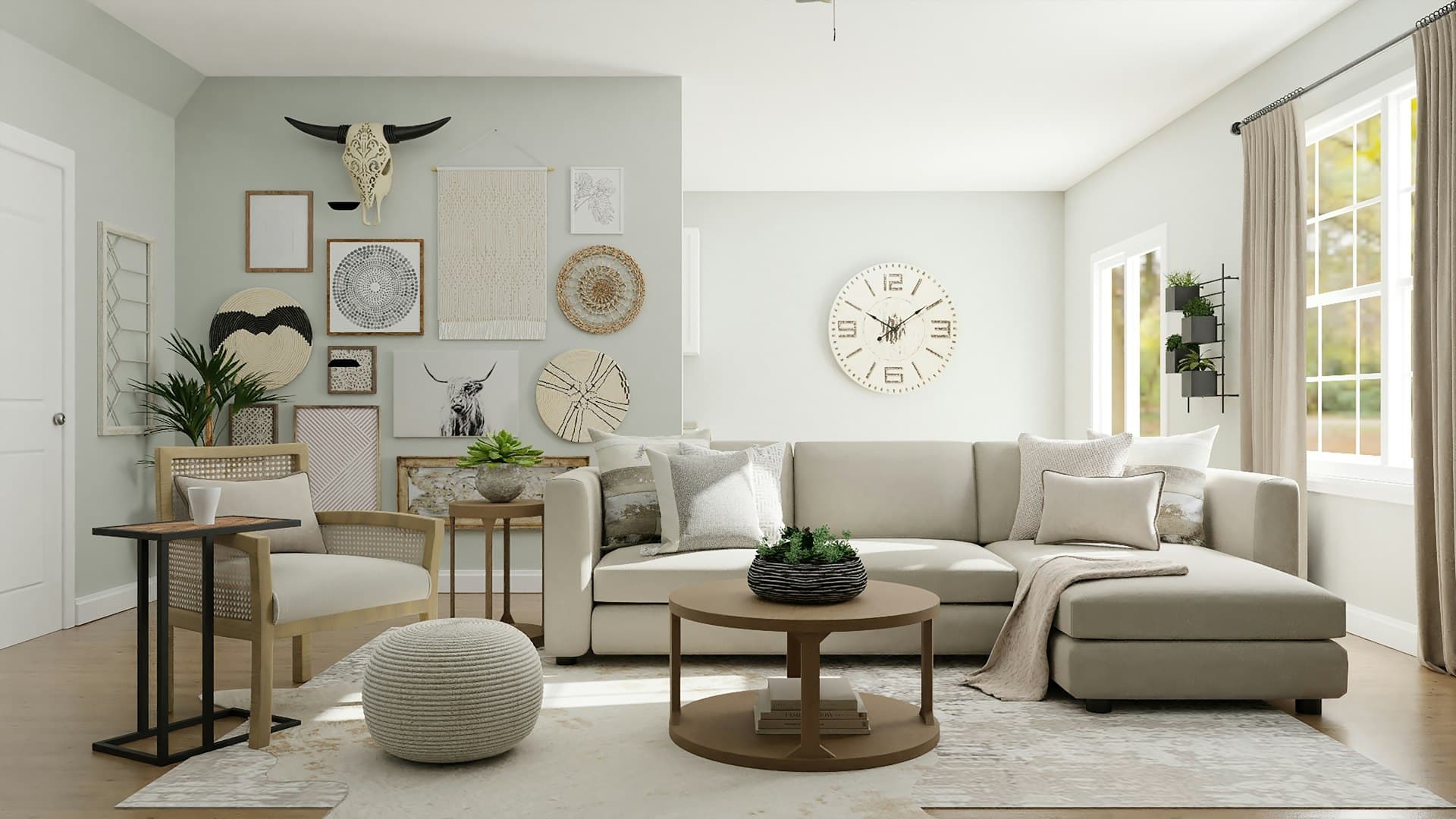
An accent wall is one of the best-value interior painting moves a homeowner can make. For the cost of a single wall's worth of paint, a room can gain a focal point, depth, and a sense of intention it did not have before. But the accent wall is also one of the easiest projects to get wrong, and a poorly chosen one does the opposite of what it was meant to do — it chops up a room, makes it feel smaller, or draws the eye to exactly the wrong spot. In Tempe homes, where bright desert light pours through big windows and open floor plans flow from room to room, the difference between an accent wall that works and one that backfires comes down to two decisions: which wall, and what color.
Choosing the wall is the decision people most often rush, and it is the one that matters most. An accent wall should land on the wall the room already wants you to look at — the one behind the bed in a bedroom, behind the sofa or the television in a living room, or the wall a fireplace or a set of built-ins sits on. Those walls are natural focal points, and a deeper color reinforces them. The mistake is painting a random wall, or worse, a wall broken up by doors, windows, and passageways, which leaves the color in scattered patches that make the room feel busy rather than anchored. If a wall is mostly interrupted by openings, it is the wrong candidate.
Color choice is where desert light changes the rules. Tempe interiors get intense, warm sunlight that shifts dramatically from morning to afternoon, and a color that looked rich on a chip in the store can read very differently on a sunlit wall at home. Deeper, saturated tones — a moody blue, a warm terracotta, a deep sage, a charcoal — tend to work best for accent walls because they hold their character under strong light and give the room the contrast an accent is supposed to provide. Testing the color on the actual wall and living with it through a full day of the home's light, rather than trusting the chip, is the step that keeps a bold choice from turning muddy or garish once the sun moves.
Scale and openness are the other trap in Arizona's open-concept homes. In a large great room where the kitchen, dining, and living areas share one continuous space, a single dark accent wall can either ground the whole room beautifully or float awkwardly with no clear boundary. The safest approach in an open plan is to choose a wall that has a natural edge — a corner, a change in ceiling height, or a wall that clearly belongs to one zone — so the accent reads as deliberate rather than as a color that just stops in the middle of a shared space. An accent wall needs a frame; open plans do not always give it one for free.
Getting the execution clean is what separates an accent wall that looks custom from one that looks like a weekend experiment. The cut-in lines where the accent color meets the adjoining walls and ceiling have to be crisp, because any wobble there is exactly where the eye lands on a contrasting wall. A deeper color often needs proper coverage to look even, so it benefits from the right primer or base and full coats rather than a thin single pass that leaves the old color ghosting through. Those are the details that make a saturated accent wall look intentional instead of unfinished.
Done thoughtfully, an accent wall gives a Tempe room a focal point and a sense of depth for a fraction of the cost and effort of repainting the whole space — as long as it lands on the wall the room already wants to feature, wears a color that holds up under strong desert light, has a natural edge to frame it in open floor plans, and is cut in cleanly. Chosen well, it is the highest-return hour of painting in the house. Chosen carelessly, it is the change everyone notices for the wrong reasons, so the wall and the color are worth getting right before the first coat goes on.
Need a painting estimate?
A&I Painting helps Arizona homes and businesses with interior painting, exterior painting, epoxy flooring, and cabinet refinishing.