Low-VOC and Zero-VOC Paint: What It Really Means for Homes With Kids, Pets, and Allergies
Low-VOC and zero-VOC paints have changed what indoor air quality looks like during and after a repaint. Here is what the labels actually mean and where the difference matters most.
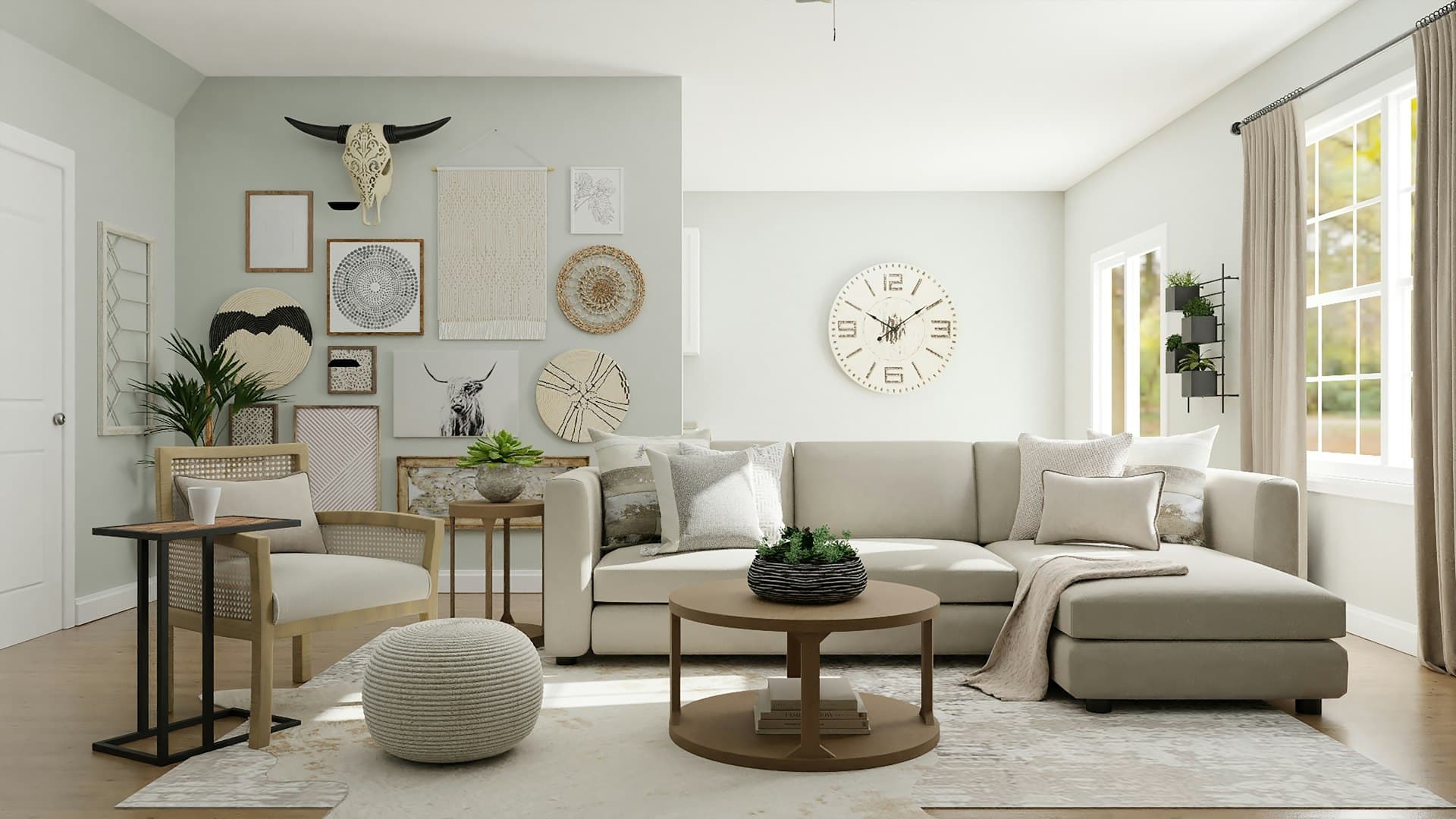
VOC stands for volatile organic compound, and on a paint can it refers to the carbon-based solvents that evaporate out of the coating as it dries and cures. Those are the compounds responsible for the sharp chemical smell that hangs in a freshly painted room. As the paint film hardens, the VOCs release into the air, and in a closed-up house they can linger for days or even weeks at lower levels. For most healthy adults this is a passing nuisance. For households with young children, pets, asthma, or chemical sensitivities, the air quality during and after a repaint is a genuine consideration, and the paint chemistry is the lever that controls it.
Low-VOC and zero-VOC are not marketing fluff, but the terms are looser than they sound. VOC content is measured in grams per liter, and regulatory limits vary by region. A paint labeled low-VOC generally falls under roughly 50 grams per liter, while zero-VOC products typically sit at 5 grams per liter or below for the base. The important catch is the colorant: tinting a zero-VOC base with conventional pigment can add VOCs back into the can. Asking for low-VOC or VOC-free colorants when a deep or saturated color is being mixed keeps the finished product as clean as the base claims to be.
The practical benefit for sensitive households is faster, milder off-gassing. A quality zero-VOC interior paint produces far less odor during application, which means a nursery, a bedroom, or a pet's main living area becomes usable again much sooner. It does not eliminate every airborne particle, and ventilation still matters during and after the work, but it dramatically reduces the solvent load that triggers headaches, watery eyes, and respiratory irritation in the people and animals most affected by it. For allergy-prone households, many low-VOC lines also carry low odor and antimicrobial additives that resist mildew, which is its own indoor air benefit.
The honest part of the conversation is the tradeoff, because for years low-VOC paints had a reputation for being harder to work with. Early formulations dried faster, which made them prone to lap marks, and some did not level as smoothly or cover as well as their solvent-heavy predecessors. That gap has narrowed enormously. Premium low-VOC and zero-VOC acrylic paints now match conventional paints on coverage, washability, and durability in most interior applications. The remaining tradeoff is mostly at the budget end of the shelf, where the cheapest zero-VOC products can still struggle with hide and scrubbability.
Finish selection interacts with the VOC question more than people expect. Higher-sheen finishes — satin, semi-gloss, and gloss — are naturally more durable and washable, which is exactly what you want in a kid's room, a hallway, or a pet zone where walls take abuse and need frequent wiping. Historically those higher-sheen products carried more solvent. Today you can get a true zero-VOC base in a scrubbable satin or semi-gloss, so a household no longer has to choose between clean air and a wall that survives sticky hands and a dog's shoulder height. For trim and doors that get touched constantly, a durable low-VOC enamel is the sensible middle ground.
In Arizona the VOC conversation has a regional twist. Homes here spend long stretches sealed up with the air conditioning running and windows shut against the heat, which means there is less natural air exchange to flush solvents out after a repaint. A coating that off-gasses slowly in a tightly closed, recirculating house keeps those compounds in the indoor air longer than the same paint would in a climate where windows stay open. Choosing low-VOC or zero-VOC products and running the HVAC fan with fresh-air exchange where possible makes a real difference in how quickly the home returns to normal.
Where it matters most is easy to map. Nurseries and children's bedrooms top the list because kids breathe faster relative to their body size and spend long hours in those rooms. Spaces where pets sleep and eat come next, since animals are low to the ground where some compounds concentrate and cannot tell anyone they feel unwell. Any room used by someone with asthma, COPD, or a known chemical sensitivity justifies a zero-VOC spec. Kitchens and bathrooms benefit from the mildew-resistant low-VOC formulas. In a guest room that is painted once and rarely sealed up, the upgrade is nice but less critical.
The bottom line is that low-VOC and zero-VOC paint has matured from a compromise into a default-quality option for interior work, and for households with children, pets, or allergies it is the right starting point rather than an upgrade to debate. The keys are buying a premium formulation rather than the cheapest zero-VOC product, specifying clean colorants when tinting, matching the finish sheen to how hard the surface gets used, and ventilating the space during the work. Done that way, a family can repaint a home without surrendering the indoor air for a week afterward.
Need a painting estimate?
A&I Painting helps Arizona homes and businesses with interior painting, exterior painting, epoxy flooring, and cabinet refinishing.