Why Interior Paint Touch-Ups Flash on Mesa Walls and How to Blend Them
A touch-up can match the paint can and still look like a shiny patch. Learn why flashing happens and when a full wall repaint creates the better result.
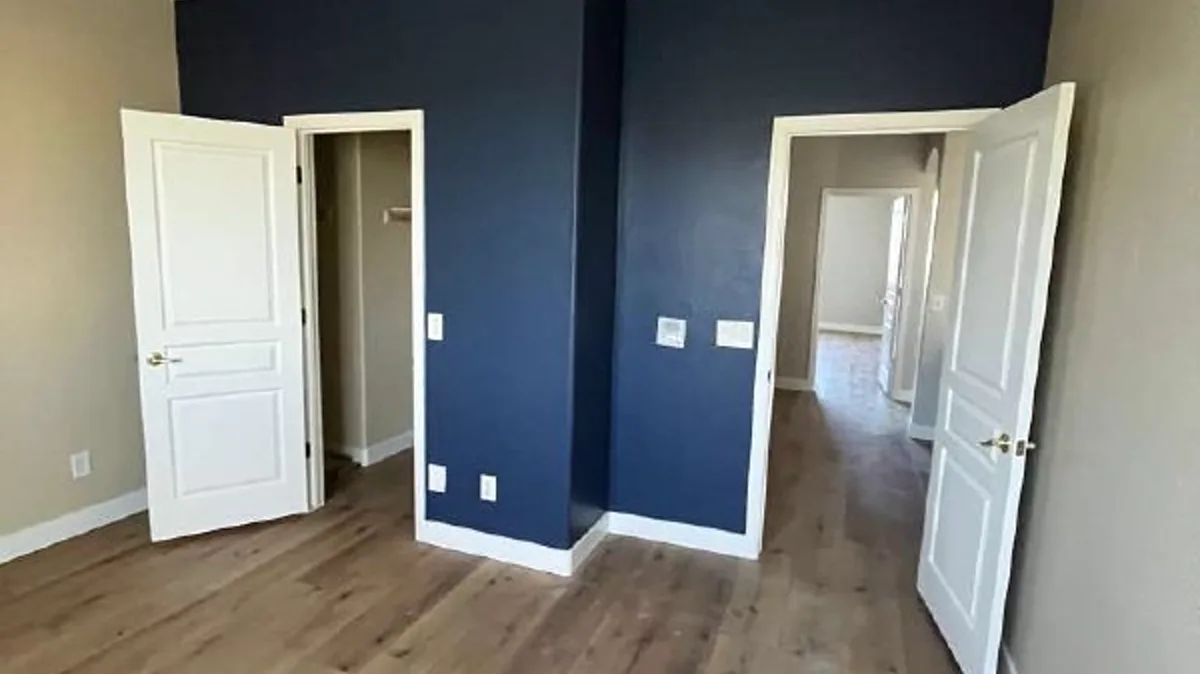
Touch-up painting sounds simple: use the original color, cover the scuff, and let it dry. Yet many Mesa homeowners discover that the repaired spot looks shinier, duller, darker, or more textured than the surrounding wall. Painters call this effect flashing. The color may technically match, but differences in sheen, application, surface condition, or lighting make the patch visible. Understanding those variables helps determine whether a small touch-up can blend or the wall should be repainted from corner to corner.
The paint itself changes over time. A stored container may separate, lose moisture, or develop a slightly different consistency. Meanwhile, the wall is exposed to Arizona sunlight, dust, cleaning, and normal wear. Even a durable coating can fade gradually near windows or become smoother where it has been wiped repeatedly. Fresh paint from the original can may therefore be a close match rather than an invisible one. Thorough mixing and a small test area are essential before repairing several spots.
Sheen is often the main reason a touch-up flashes. Eggshell, satin, and semi-gloss finishes reflect light at specific angles. A thicker patch or a different roller texture can change that reflection even when the color is exact. Using a brush on a wall that was originally rolled may leave a smoother mark, while a roller with the wrong nap can create a heavier texture. Strong side light through Mesa windows makes these differences especially visible during the brightest part of the day.
Surface preparation also affects the result. Spackle, exposed drywall paper, and sanded areas absorb paint differently from a previously coated wall. Those repairs usually need the correct primer before the finish coat. Dirt, oils, and cleaner residue can alter adhesion and sheen, so the area should be cleaned gently and allowed to dry. Applying one heavy dab over a repair often creates a halo; controlled, thin application with the right tool gives the edge a better chance to blend.
Some touch-ups are good candidates for a localized repair, especially on newer flat-finish walls with leftover paint from the same batch. Large patches, sun-faded walls, high-sheen coatings, or multiple marks across one surface usually look better when the entire wall is repainted. Painting from one natural break to another—corner to corner, baseboard to ceiling—removes the isolated edge that draws the eye to a patch and restores consistent color and reflection.
A&I Painting helps Mesa homeowners evaluate interior repairs, match colors and finishes, and repaint walls when a touch-up would remain visible. If a wall has several scuffs, drywall patches, or bright side lighting, planning the repair before opening the paint can saves time and avoids layered spots that become harder to hide. The goal is not simply covering the mark; it is restoring a finish that looks even throughout the room.
Need a painting estimate?
A&I Painting helps Arizona homes and businesses with interior painting, exterior painting, epoxy flooring, and cabinet refinishing.