The Best Time of Year to Paint a Home Exterior in Arizona Without the Heat Ruining the Finish
Painting an exterior in the wrong conditions ruins the finish before it ever cures. Here is when to schedule an Arizona exterior repaint and how surface temperature, not just air temperature, decides the result.
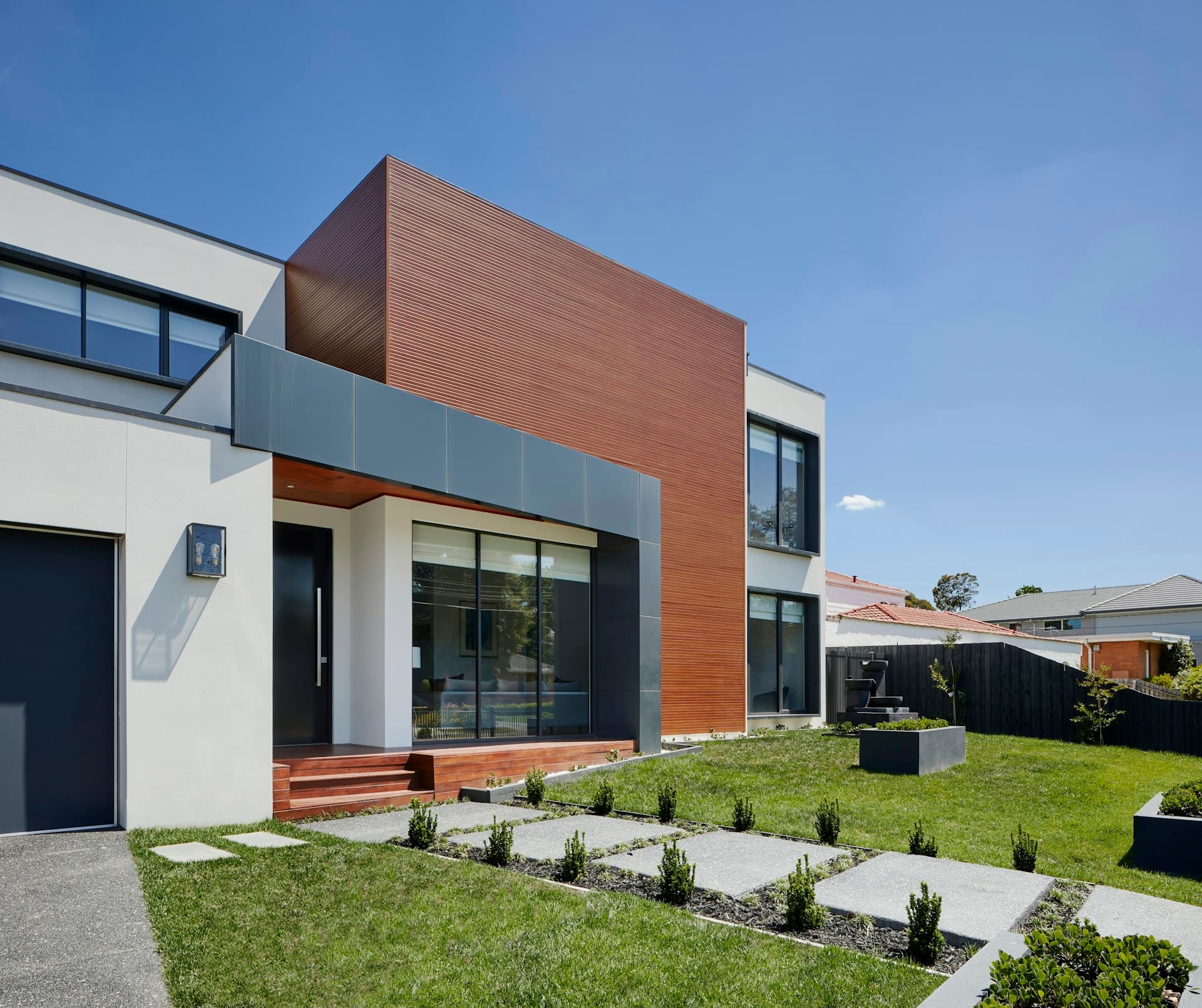
Timing an exterior repaint in Arizona is a different calculation than almost anywhere else in the country. In most climates the question is whether it is warm enough and dry enough to paint. Here, for much of the year, the problem is the opposite — it is too hot, and the surface is baking far past what any coating can handle while it cures. Paint applied to a wall that is too hot does not bond, level, or cure correctly no matter how good the product is, and the failure shows up as poor adhesion, lap marks, and premature fading. Knowing when to paint, and just as importantly when not to, is the foundation of an exterior finish that actually lasts in the desert.
The number that matters most is not the air temperature on the forecast but the surface temperature of the wall, and the two can be wildly different. A stucco or block wall in direct Arizona sun routinely runs 40 to 60 degrees hotter than the surrounding air, which means a 100-degree afternoon can easily put a sun-facing wall at 140 to 160 degrees. Most exterior paints specify a maximum application surface temperature, commonly around 90 to 100 degrees, above which the paint flashes off too fast — the surface skins over before the film can level or bond, trapping solvent and weakening the coating. A simple infrared thermometer aimed at the wall tells the real story that the air temperature hides.
Because of that, the calendar window for comfortable, low-risk exterior painting in Arizona is broad on both ends and narrow in the dangerous middle. The most reliable stretches are roughly October through April, when daytime temperatures sit in a range that keeps wall surfaces in the safe zone through most of the working day. Spring and fall are ideal — mild, dry, and stable. The deep summer months from June through September are the hard season, when midday painting on a sun-facing wall is simply off the table and the work has to be scheduled around the sun rather than around the clock.
That does not mean exteriors cannot be painted in summer; it means the strategy changes from painting all day to chasing the shade. Professional crews working an Arizona summer follow the shaded elevations around the house as the sun moves — painting the west-facing walls in the cool of the morning while they are still shaded, the east-facing walls in the afternoon once the sun has moved off them, and never coating a wall in direct sun at peak heat. Early starts at sunrise capture the coolest, most workable hours. It is slower and more deliberate, but it keeps every coat going onto a surface within the safe temperature range.
Humidity and the monsoon season add the other half of the timing puzzle. Arizona is dry for most of the year, which is generally good for paint, but the summer monsoon brings sudden afternoon storms, spiking humidity, and the risk of rain on a fresh coat. Latex and acrylic exterior paints need a window of dry weather to cure, and a downpour on a coating that has not set up can wash it, streak it, or leave it cloudy. During monsoon stretches the work has to watch the radar as closely as the thermometer, finishing each section with enough margin before an afternoon storm rolls in. Painting just ahead of a humid, stormy afternoon is asking for a ruined coat.
Time of day ends up mattering as much as time of year. Even in the mild season, the disciplined approach is to avoid painting a wall in the few hours when the sun hits it hardest, and to stop early enough in the day that the final coat has time to set before the temperature drops sharply at dusk. The desert's big day-to-night temperature swing means a wall painted late in the afternoon can be curing in very different conditions a few hours later. Mid-morning through mid-afternoon, working the shaded sides, is the sweet spot in nearly every season.
There is also a quality reason the right timing protects the investment beyond just curing properly. A coating that goes on in correct conditions develops its full film thickness, adhesion, and UV resistance, which is exactly what it needs to survive the brutal sun load the rest of the year. A coating rushed onto a too-hot wall starts compromised and fails early, which in the desert can mean fading, chalking, or peeling within a couple of seasons rather than the many years a properly applied exterior should deliver. The few weeks of waiting for the right window pay for themselves many times over in how long the finish holds.
The short version for an Arizona homeowner planning an exterior repaint: aim for the mild months of fall through spring if the schedule allows, treat deep summer as a shade-chasing, early-morning operation rather than an all-day one, watch the surface temperature with more attention than the air temperature, and keep a close eye on monsoon weather before committing a coat. Paint applied to a wall in the right temperature window, with dry weather ahead of it to cure, is what turns an exterior repaint into a finish that stands up to the desert for years instead of months.
Need a painting estimate?
A&I Painting helps Arizona homes and businesses with interior painting, exterior painting, epoxy flooring, and cabinet refinishing.